Documentary vs. Posed Wedding Photography: Capturing Your Day in a Way That Feels True to You
From fully candid documentary moments to lightly guided, artfully composed portraits — your wedding or elopement deserves a photography approach that reflects you.
Index
- What Does “Documentary vs Staged Wedding Photography” Actually Mean?
- Understanding the Spectrum: Documentary, Photojournalistic, and Guided Styles
- Why Couples Choose Different Photography Styles
- How Lighting, Timeline, and Personality Shape Your Photos
- Timeline Examples: Finding Your Perfect Photography Style
- Real-Life Examples: Adapting to Each Couple’s Preferences
- Why There’s No “Right” or “Wrong” Style — Just What Feels True to You
- Choosing a Photographer Who Aligns With Your Vision
- Let’s Talk About What Feels Most Authentic to You
Disclaimer: Every photographer describes and approaches “documentary,” “guided,” and “staged” styles a little differently. These definitions are based on how I capture wedding and elopement days, but they may look or feel different with another photographer. It’s always important to ask photographers how they work, how much direction they give, and what their process looks like to make sure it aligns with the experience you’re envisioning.
1. What Does “Documentary vs Guided Wedding Photography” Actually Mean?
Whether you’re planning an intimate elopement in the mountains or a vibrant wedding at a historic venue, the photography style shapes how your story is told.
At its heart, documentary vs staged wedding photography is about the level of direction your photographer brings to your day:
- Documentary photography captures moments as they naturally unfold — no prompts, no posing.
- Staged or guided photography involves gentle direction—from posing cues to composition adjustments—helping create intentional, aesthetically thoughtful images.
Most weddings and elopements sit somewhere along this spectrum. Some moments are fully candid, some are lightly guided, and some may feel more editorial or composed. The key is choosing a mix that feels authentic to you.


2. Understanding the Spectrum: Documentary, Photojournalistic, and Guided Styles
Every wedding or elopement day has moments that lend themselves to different photography approaches. One of the most exciting things about this spectrum is that you can experience multiple styles in a single day.
For example:
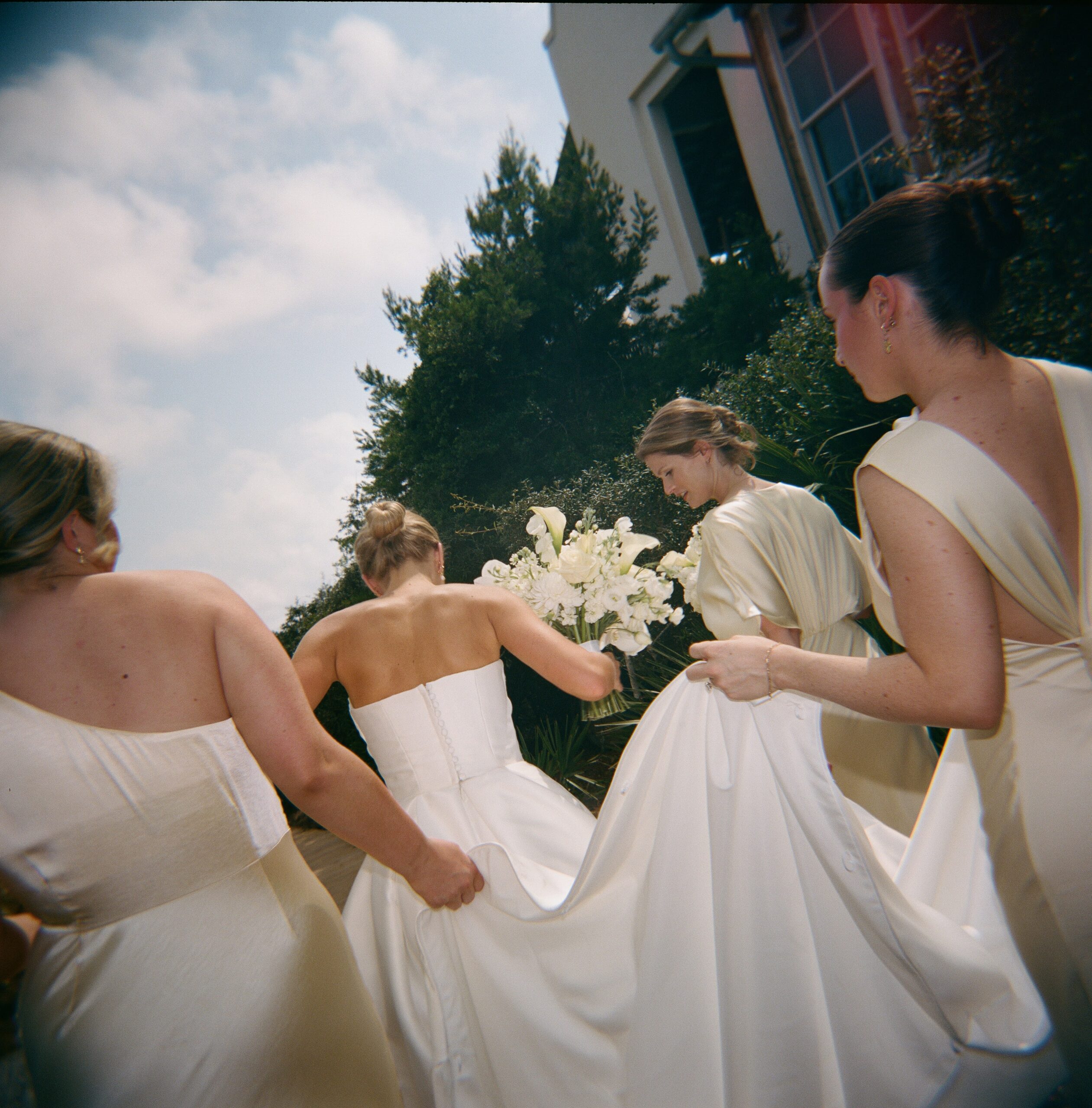
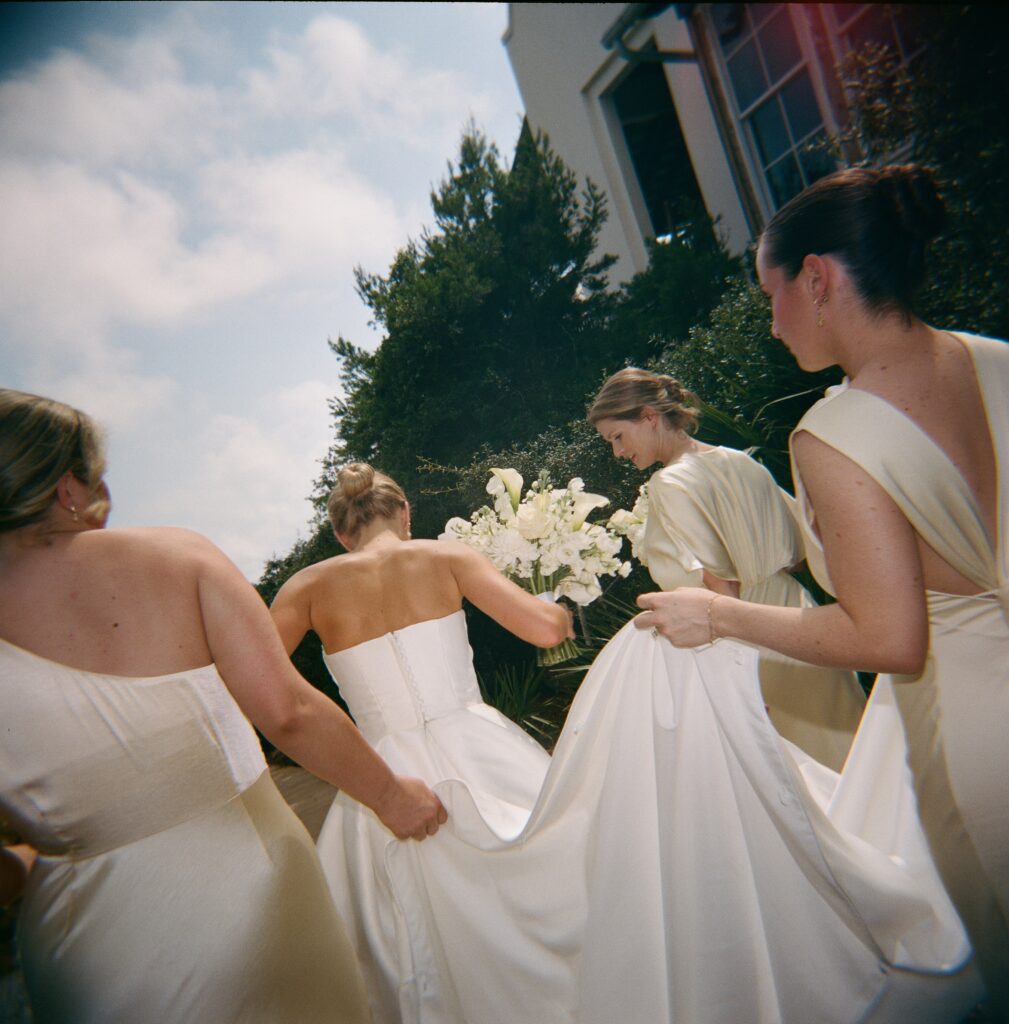
- Your morning getting ready may be entirely documentary — candid laughter, quiet reflections, and real reactions.
- Your first look or vows might lean toward photojournalism, with subtle guidance to make the most of natural light and landscape.
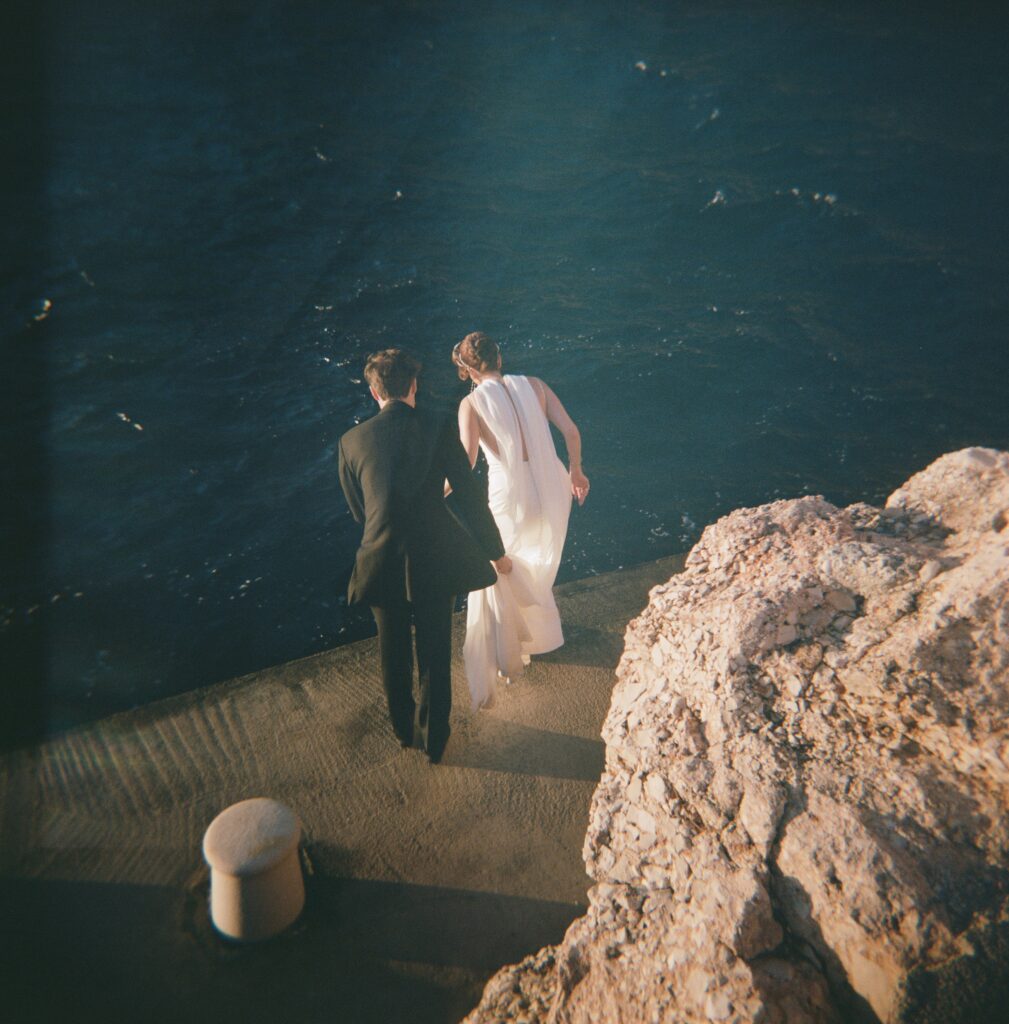
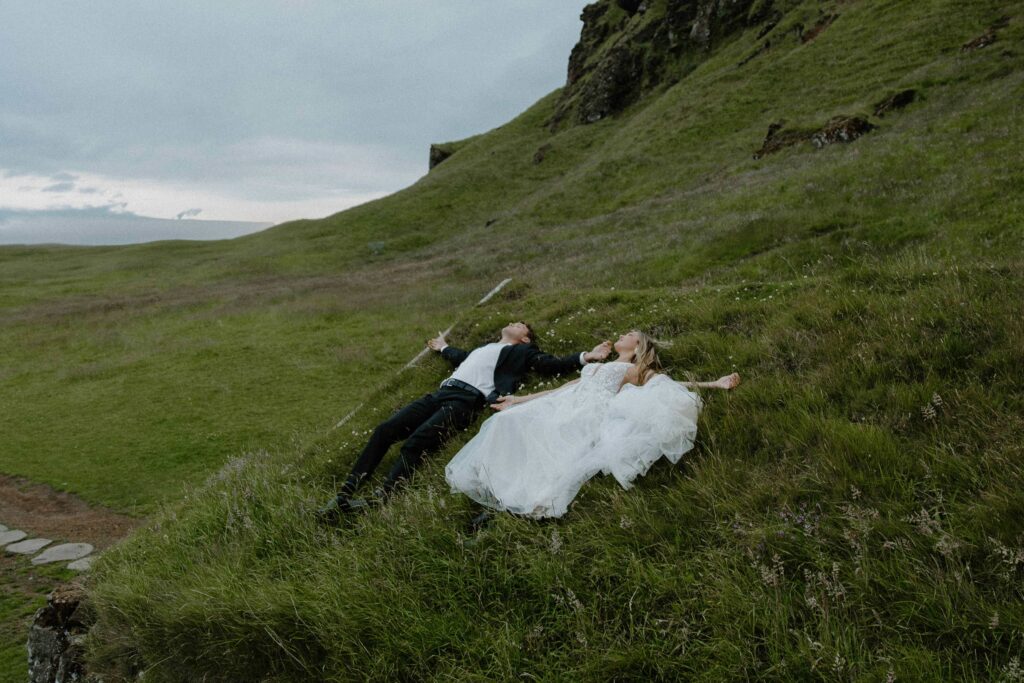
- Later, portraits at sunset or in a scenic location might be lightly staged for optimal composition, framing, and emotion.
This fluidity allows your gallery to capture both the raw, real moments and the intentionally beautiful ones — telling a complete story of your wedding or elopement day.
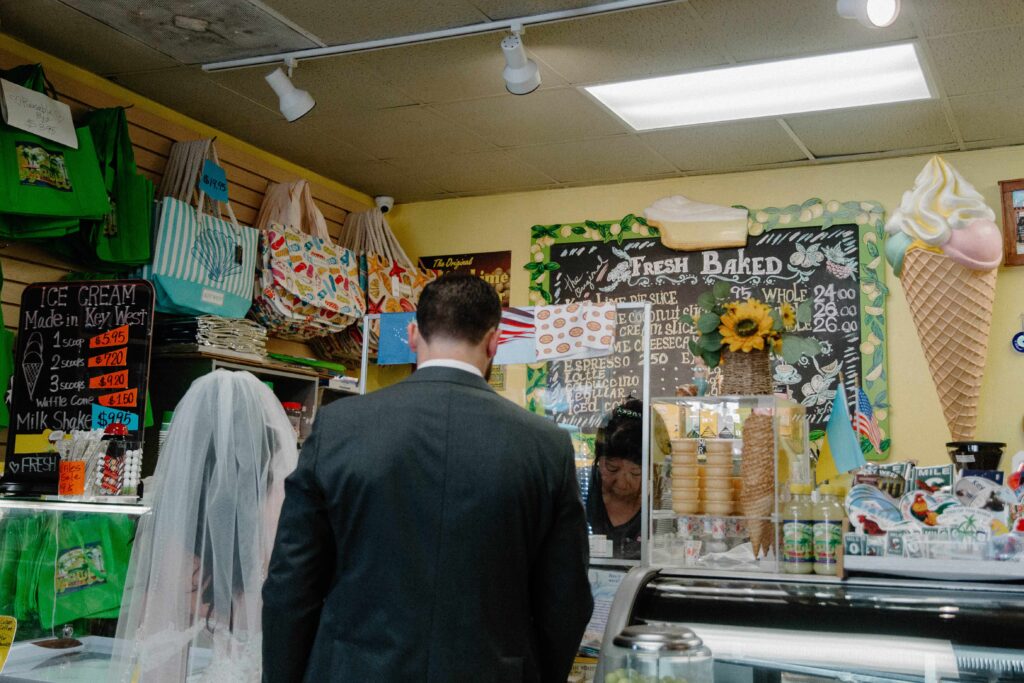
1. Full Documentary Style
This approach is completely candid, capturing moments as they naturally happen.
- Elopements: Quiet vows in a forest, laughter while hiking to a cliffside, or a spontaneous kiss by the ocean.
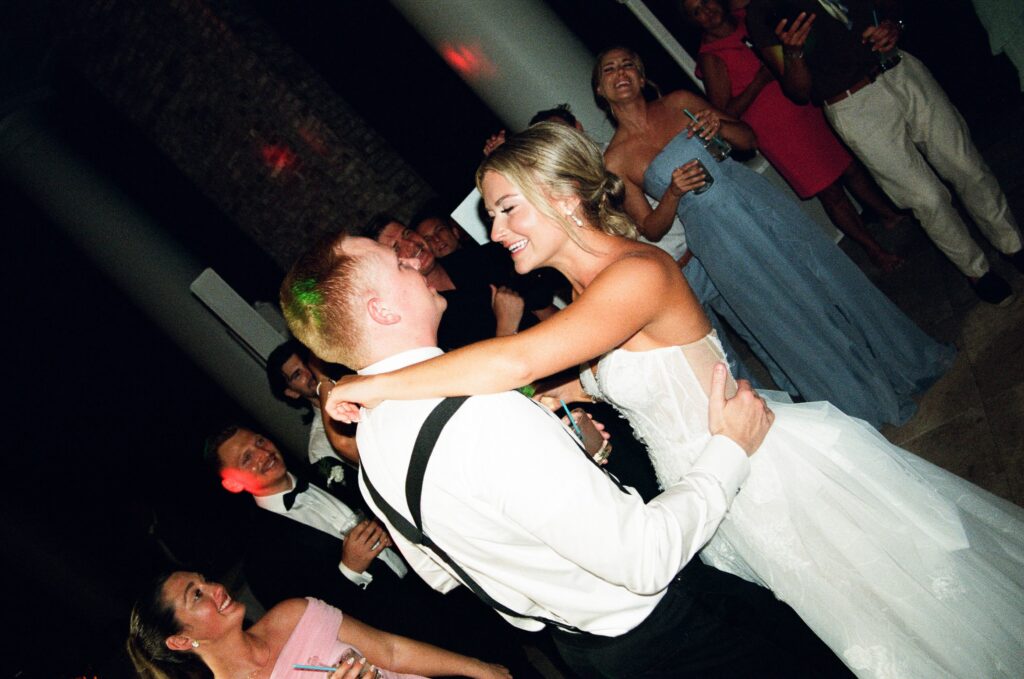
- Weddings: Teary getting ready with parents, candid dancing, or informal moments with friends and family.
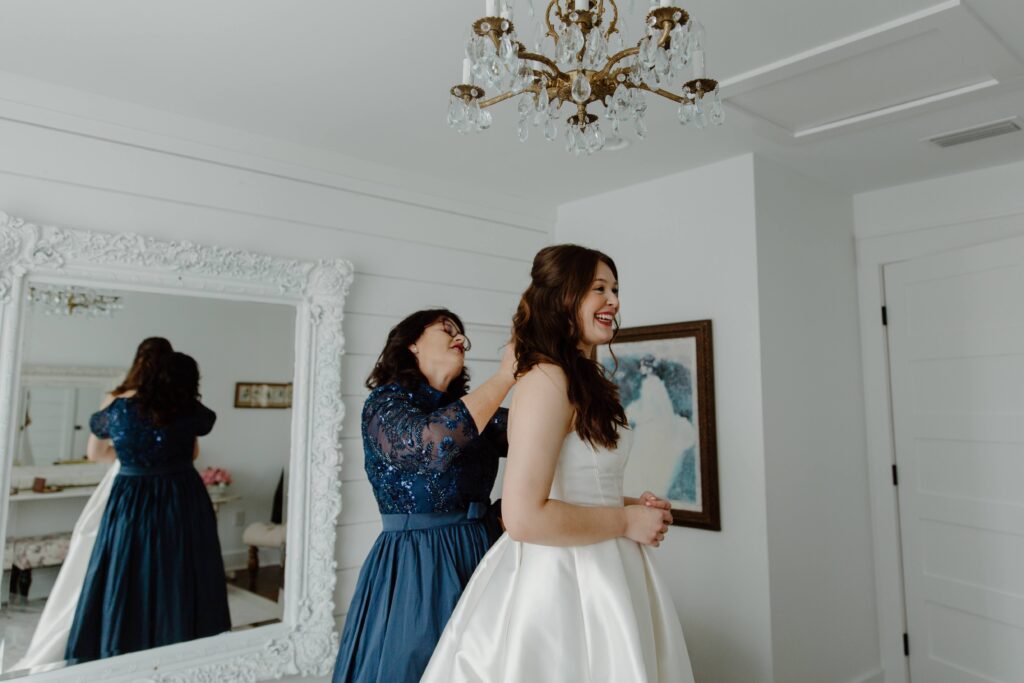
2. Photojournalistic or Lightly Guided Style
Photojournalism still prioritizes authenticity but allows gentle guidance for better composition or capturing subtle emotion.
- Elopements: Suggesting a slight turn toward the light during a cliffside sunset or a prompt like “take a deep breath together.”
- Weddings: Framing family interactions, adjusting a bouquet for better visibility, or lightly guiding the couple during portraits without interrupting the emotion.

3. Staged or Guided Style
This style involves more hands-on direction, helping create cinematic or editorial images while maintaining a sense of authenticity.
- Elopements: Posing in a field of wildflowers or arranging movement on a boat ride along a coastline.
- Weddings: Carefully composed portraits with the venue or sunset light, or editorial-style reception shots with flash or creative angles.
Across both weddings and elopements, most days move fluidly between these approaches depending on the energy, light, and moment — creating a cohesive story that feels real and intentional.
3. Why Couples Choose Different Photography Styles
Every couple is unique, and the way they want their wedding or elopement photographed often reflects their priorities and personalities. Understanding the difference between emotional and aesthetic priorities can help couples choose a photography style that feels authentic to them.
- Emotional Priorities: Some couples care most about being fully present and capturing the genuine flow of their day. They want to feel immersed in the moment without worrying about posing or perfect framing. Entirely documentary photography is perfect for these couples, as it focuses on candid moments, emotions, and the day’s natural story.
- Aesthetic Priorities: Other couples prioritize stunning, “art-style” photos. They love the idea of epic landscapes, carefully composed shots, and editorial-style moments. While these couples still want authentic emotion, they enjoy some direction to ensure the visuals are breathtaking.
- A Balance of Both: Many couples want a mix—authentic storytelling alongside a few guided portraits or cinematic shots. This approach gives the best of both worlds: real moments captured naturally, plus the visually striking images they’ll treasure forever.
Questions to Ask Yourself When Choosing Your Style:
- Do I want to prioritize feeling fully present, or having polished, editorial images—or both?
- How comfortable am I being guided or posed for certain shots?
- Are there specific locations or landscapes that are important to showcase in my photos?
- What moments do I want to remember most vividly—the emotions, the adventure, the aesthetics, or a combination?
Answering these questions can help you identify whether you lean toward a fully documentary style, a more staged approach, or somewhere in between.
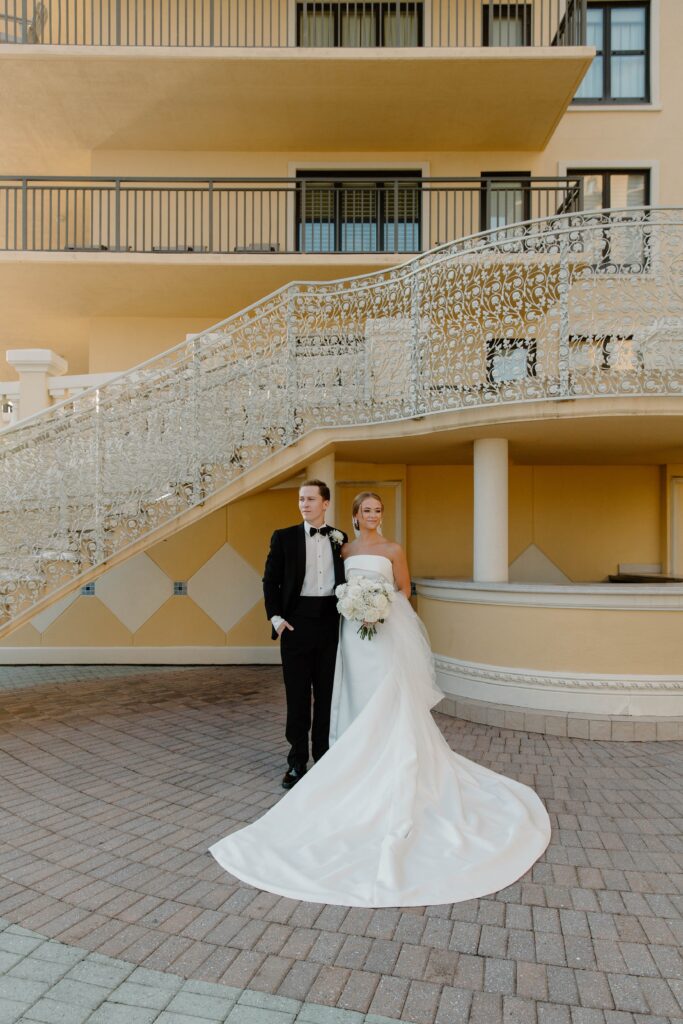
4. How Lighting, Timeline, and Personality Shape Your Photos
A wedding or elopement photographer must adapt to each couple and their day. Here’s how key factors influence the mix of documentary and staged approaches:
- Lighting: Golden hour may invite more guided portraits; overcast mornings or shaded venues can work beautifully for candid storytelling.
- Timeline: Longer elopements or weekend weddings allow for organic moments; tightly scheduled days often require intentional staging to maximize coverage.
- Personality: Some couples love direction and posing, others prefer being captured without noticing the camera.
Your photographer may flex between styles to ensure the gallery reflects both your story and your comfort level.
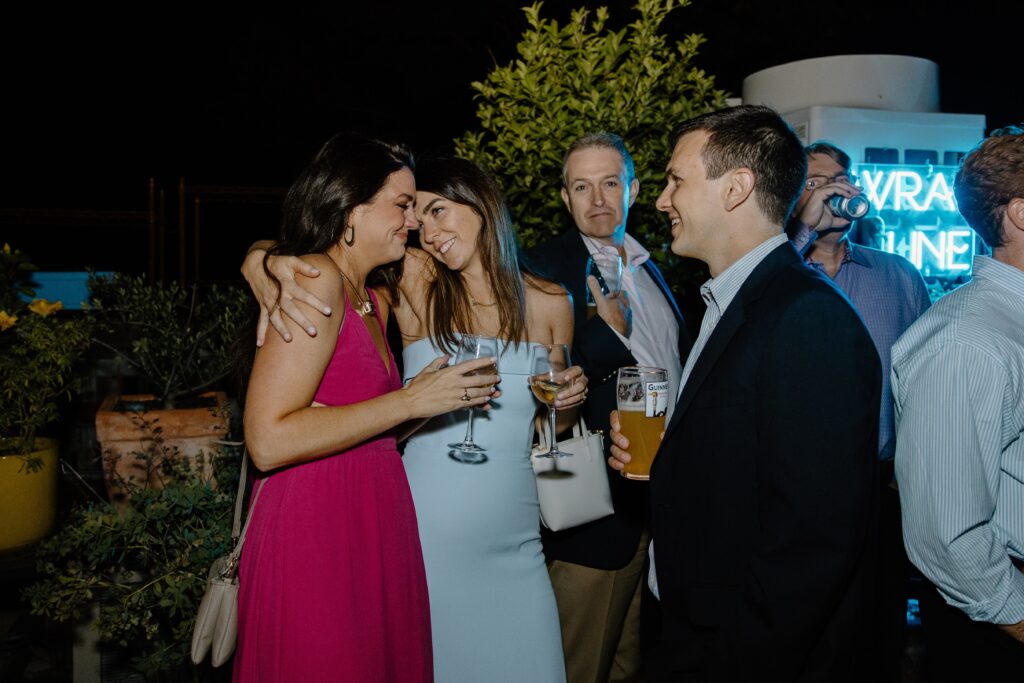
5. Timeline Examples: Finding Your Perfect Photography Style
Wedding and elopement days can look a full range of ways, and there’s no one-size-fits-all approach. Your day can—and should—look different and feel like you. To give a sense of what’s possible, here are a few example timelines showing how a day might flow depending on whether you prefer a fully documentary approach, an adventure-focused approach, a traditional wedding day, or a mix of candid and guided moments.
Fully Documentary Elopement Timeline
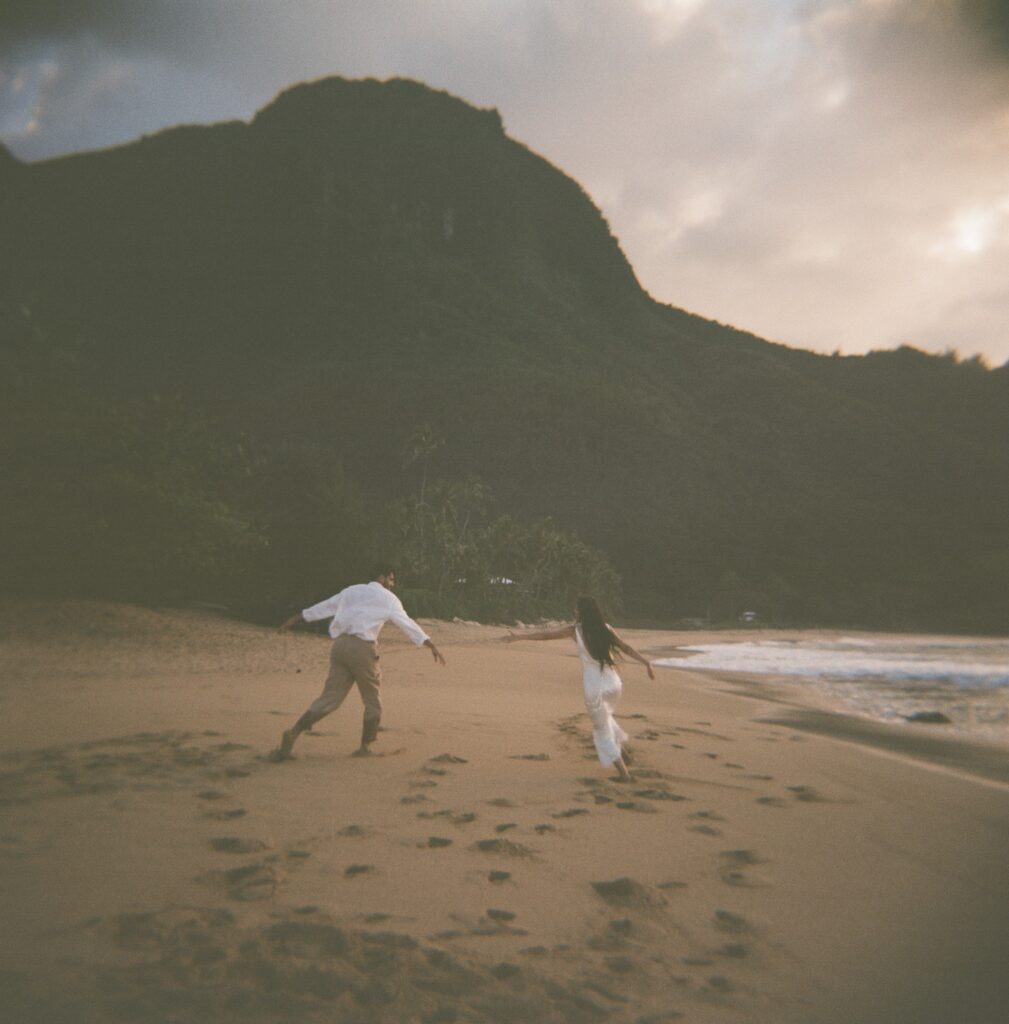
This style prioritizes authentic experiences, adventure, and emotional storytelling. There’s no first look—the couple gets ready together, and the day unfolds naturally, capturing genuine moments as they happen.
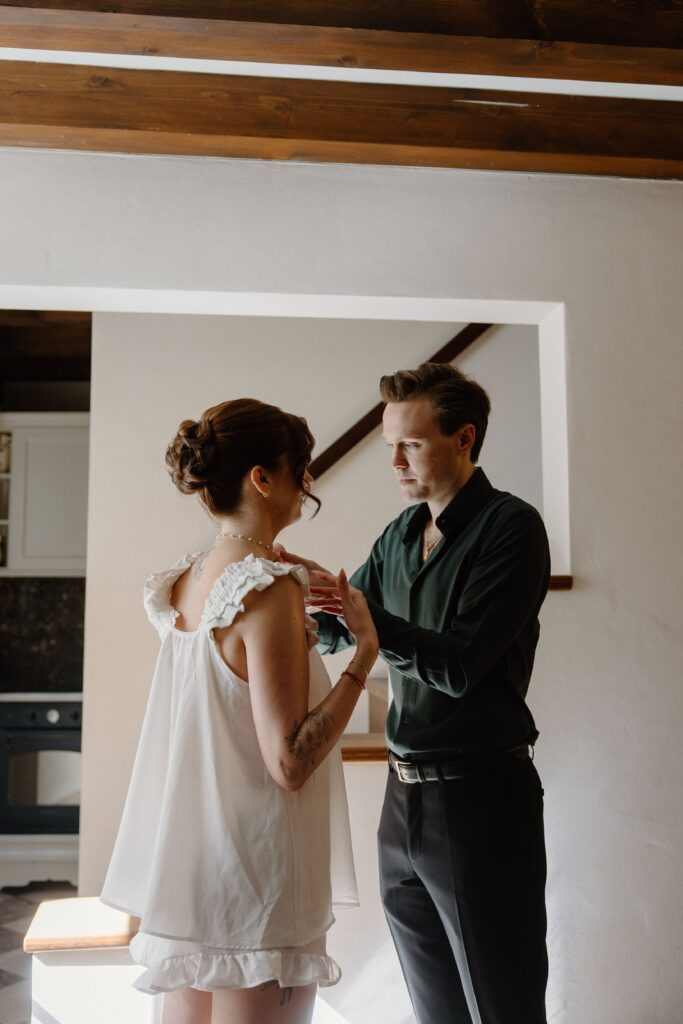
- 11:00 AM – Morning coffee and rituals at the Airbnb, cabin, or hotel, with candid moments of laughter, quiet connection, and excitement for the day ahead.
- 11:45 AM – Getting ready together: helping each other with outfits, jewelry, and details, capturing genuine interactions, nerves, and joy as they prepare for their day.
- 12:45 PM – Helicopter ride adventure: candid photography captures the couple’s excitement and awe as they soar to a breathtaking location.
- 1:45 PM – Private ceremony at the helicopter landing spot, fully documenting their vows, emotions, and connection in a natural, unforgettable setting.
- 2:45 PM – Post-ceremony celebration at a second helicopter landing spot: champagne, playful moments, or quiet connection, all captured candidly.
- 4:00 PM – Unstructured moments back on the ground: laughter, quiet reflection, or playful interactions.
- 6:00 PM – Private chef dinner: candid documentation of the couple enjoying an intimate, relaxed meal together, celebrating the day’s adventure.
Focus: Capturing authentic emotional flow, prioritizing real experiences, adventure, and intimate moments over posed or staged imagery.
Mix Approach Elopement
This approach emphasizes breathtaking scenery while keeping the day candid and authentic, with a few lightly posed moments.
- 6:30 AM – Sunrise adventure to a scenic overlook (mountains, desert, cliffs), hiking in wedding attire.
- 7:00 AM – Couple gets ready separately; first look framed with dramatic landscape.
- 7:30 AM – Ceremony on a mountaintop or waters edge, capturing both the couple and sweeping vistas.
- 8:00 AM – Post-ceremony wander: candid moments and editorial shots integrated with epic scenery.
- 8:30 AM – Quick breakfast or picnic, photographed naturally.
- 9:15 AM – Kayaking or other adventure activities while still capturing the scale of the location.
- 11:00 AM – Wrap-up with golden light on the landscape for a cinematic feel.
Focus: Prioritizes location and landscape scale while maintaining documentary authenticity with a few guided shots.

Fully Documentary Wedding
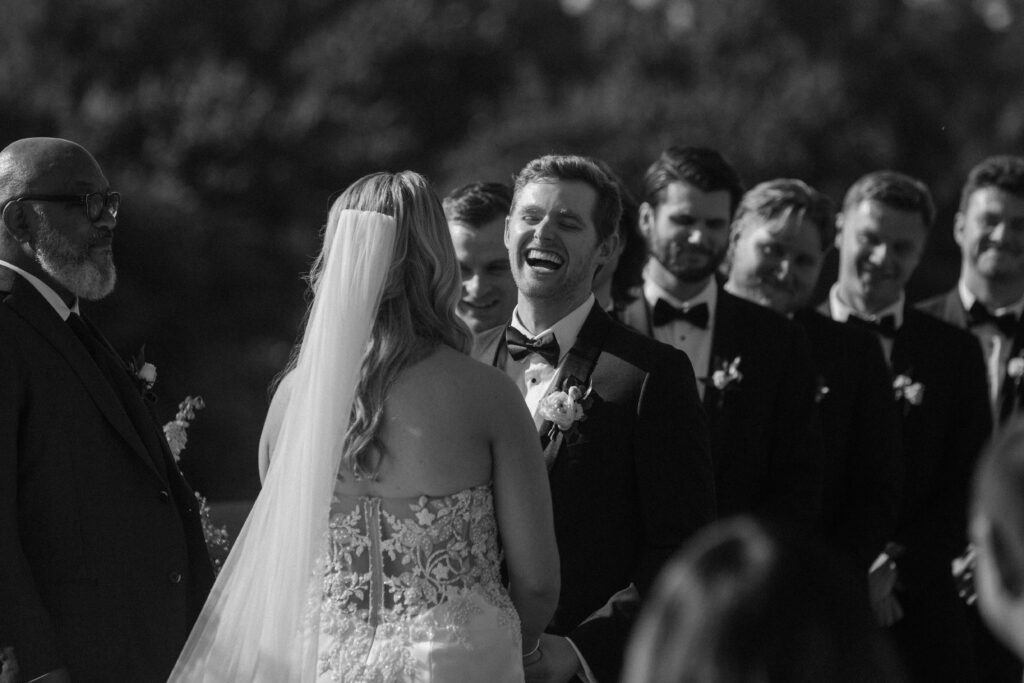
Captures the complete emotional narrative of a traditional wedding day, emphasizing experiences, interactions, and real moments rather than staged shots.
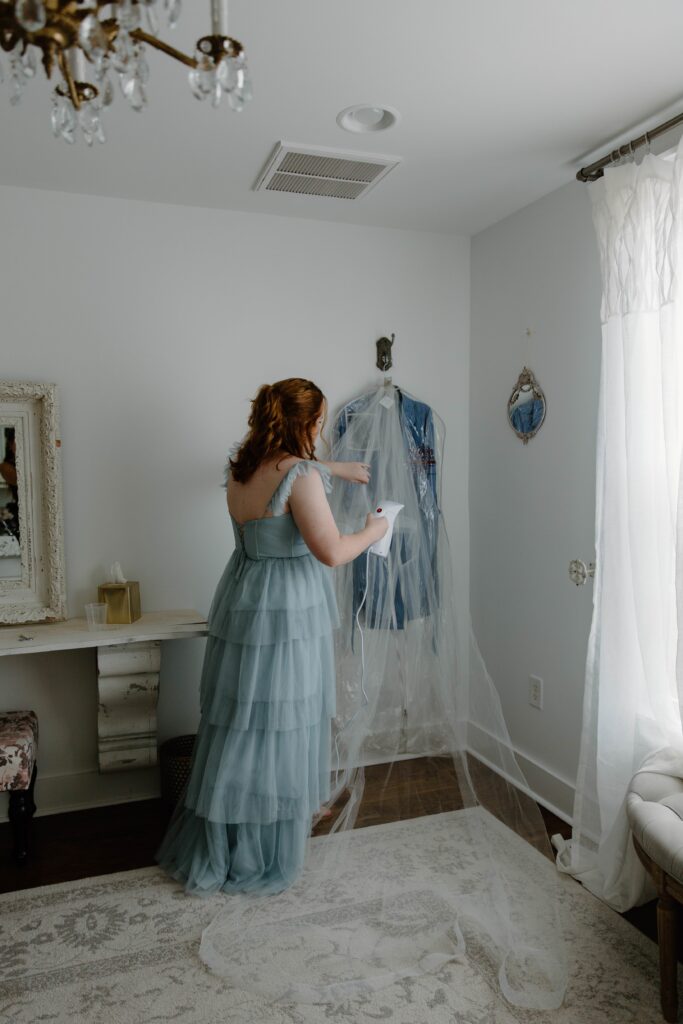
- 1:00 PM – Getting ready: candid moments, laughter, nerves, and natural interactions.
- 2:00 PM – Pre-wedding activities for both sides of the wedding party (e.g., guys enjoying a local cocktail bar, girls having an outdoor picnic), all captured naturally—no posed group shots.
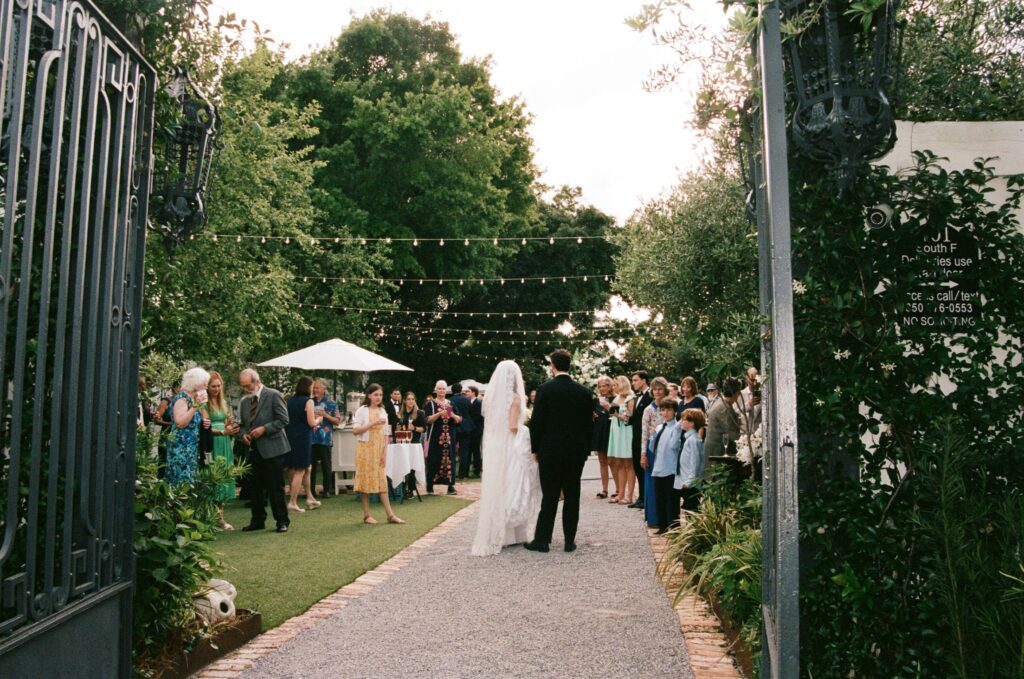
- 4:30 PM – Ceremony: family reactions and full unposed storytelling. Optional family portraits can happen after the ceremony.
- 5:00 PM – Cocktail hour: interactions with guests, storytelling moments, and experience-driven vendors, such as a live artist creating individual keepsakes for guests, interactive hors d’oeuvres stations, or a craft cocktail bar that keeps guests engaged and adds unique memories.
- 6:00 PM – Reception: Dancing, speeches, cake cutting, and other experience-driven vendor moments—like a Fortune Teller or Tarot Card Reader, a tattoo artist, interactive dessert bars, or a Wine, Whiskey, or Tea Tasting Experience—all photographed candidly.
- 9:00 PM – Candid exit: couple runs to a vintage car with cans tied to the back or bikes to their hotel—no staged exit.
Focus: Captures the complete emotional narrative from start to finish with minimal posing, highlighting experiences and interactions.
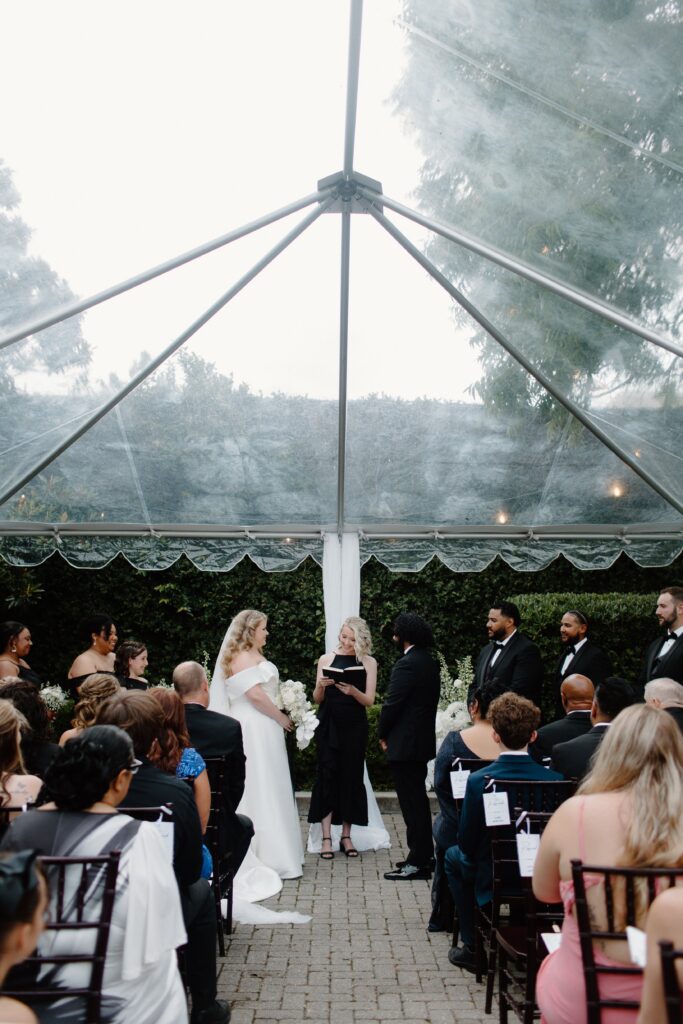
Mixed Approach Wedding
Blends documentary storytelling with lightly guided portraits for couples who want both authentic moments and editorial-style images.
- 1:00 PM – Getting ready: candid moments with some small guided portraits.
- 2:40 PM – Optional first look: a mix of natural emotion and lightly guided poses for beautiful framing.
- 3:00 PM – Wedding party photos of each side.
- 4:30 PM – Ceremony: mostly candid with small staged moments for perfect angles.
- 5:00 PM – Family portraits: fully guided for efficiency and polished results.
- 5:00 PM – Cocktail hour: storytelling moments with guests and vendors.
- 6:00 PM – Reception: dancing, cake cutting, and other experience-driven vendor moments.
- 7:30 PM – Sunset couple photos: guided to maximize light and framing while still capturing authentic emotion.
- 9:00 PM – Candid exit photos.
Focus: Balances storytelling with editorial-style images, giving couples both authentic and polished moments.
6. Real-Life Examples: Adapting to Each Couple’s Preferences
Every couple, whether eloping or hosting a bigger wedding, has their own rhythm. The balance between documentary and guided moments changes with location, light, and personality.
Amalfi Coast Elopement: This couple wanted a documentary approach — no interruptions, just the two of them, exploring the coast. After getting ready, sharing a private first look at their pace, and saying vows, the couple spent the day boating to explore Ravello. We only paused once for a smile at the camera; nothing else was staged outside of the first look. Movement, laughter, and natural energy drove their day.
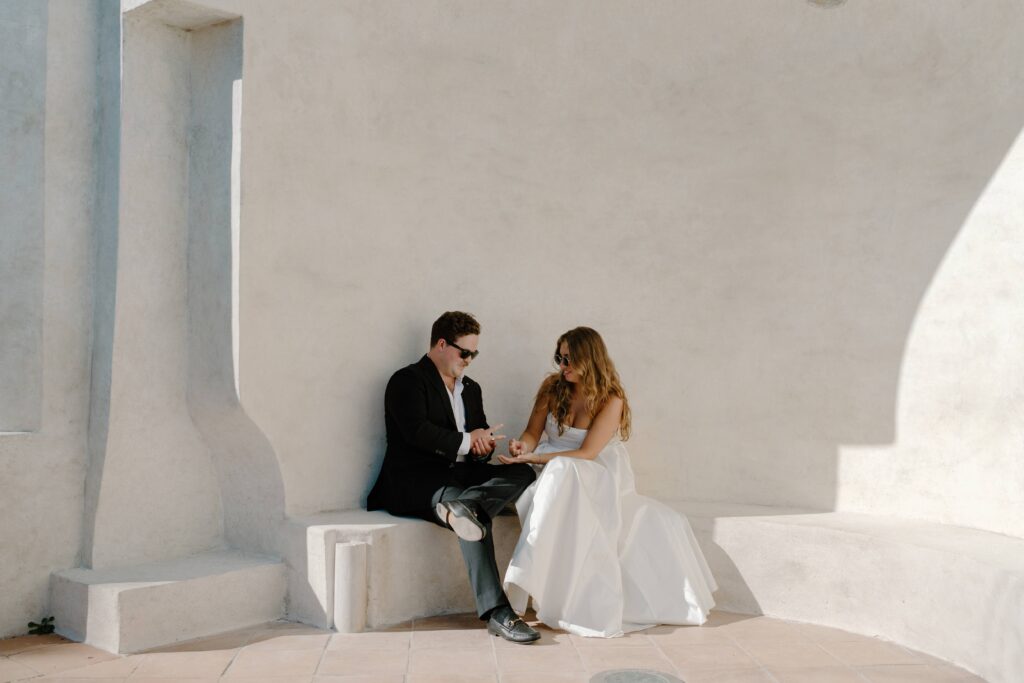
Las Cruces, NM Vow Renewal: Their first look and vows were candid, but we embraced the desert landscape with editorial flair afterward. We also created a few stylized portraits after dinner, highlighting the dramatic light and open space.
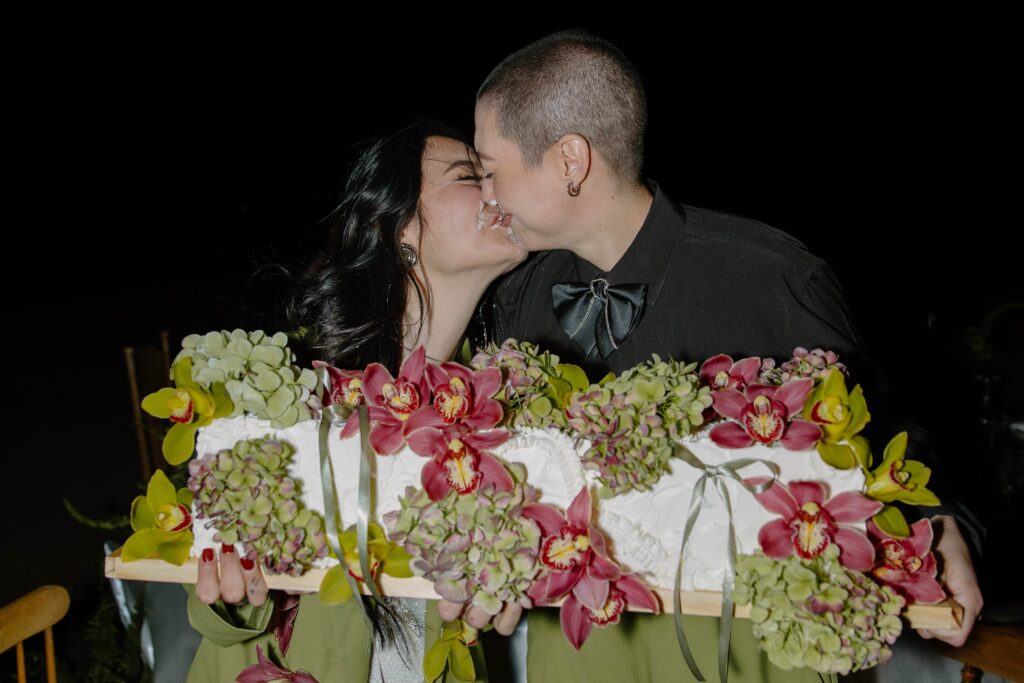
Roys’ Wedding in Key West: We mixed approaches all day. Their first look was gently guided, we snuck away for flash photos during the reception, which added editorial drama, and everything in between — getting ready, ceremony, dancing — was captured candidly. This balance allowed the day to feel authentic and dynamic.
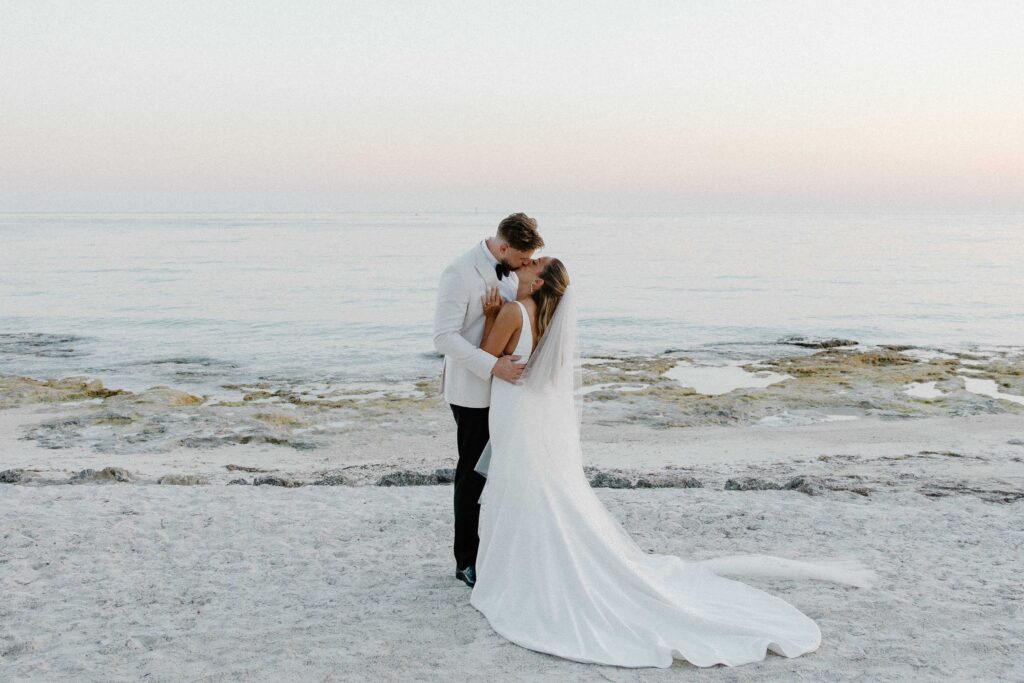
Across all these experiences, blending documentary and guided approaches created galleries that reflected both the reality and beauty of each day.
7. Why There’s No “Right” or “Wrong” Style — Just What Feels True to You
Weddings and elopements are deeply personal. The “right” photography style is the one that lets you feel at ease, present, and authentic. Some couples want fully candid storytelling, while others enjoy a more intentional, editorial touch.
The important part is intentionality: choosing what feels authentic for your story — not what’s trendy or expected. For additional guidance, check out Junebug Weddings’ guide to photography styles.
8. Choosing a Photographer Who Aligns With Your Vision
Once you understand your preferred balance between documentary and staged photography, finding your photographer becomes simpler. Look for someone whose gallery reflects:
- Authenticity and emotion
- Adaptability across both candid and guided moments
- Comfort in capturing both intimate elopements and full weddings
Connection matters most. The right photographer will capture not just what happened, but how it felt.
9. Let’s Talk About What Feels Most Authentic to You
Not sure which mix of documentary and staged photography fits your wedding or elopement day? Let’s talk through what feels most authentic and craft a timeline and experience that reflects it beautifully.
Whether your 2026+ plans include a mountaintop elopement, a beachside wedding, or a desert vow renewal, your story deserves to be told in a way that is real, intentional, and fully yours.