The Wedding Day No One Talks About
An Honest Look at Wedding Regrets and the Options Couples Are Choosing Instead
You don’t hear much about wedding regrets when you’re in the middle of planning.
Instead, you hear about venues, florals, guest counts, catering minimums, and design boards. You hear about what’s trending and what photographs well.
But years later, after the gallery is delivered and the thank-you cards are mailed, the reflections sound different.
“I wish we had more time together.”
“I barely remember the ceremony.”
“It felt like it happened to us instead of with us.”
This isn’t a case against traditional weddings. Large celebrations can be joyful, meaningful, and deeply communal. But if you’re planning for 2026 or beyond, it’s worth pausing long enough to understand what couples most commonly regret, so you can make intentional decisions from the beginning.
Index
- The Most Common Wedding Regrets Couples Share
- Regret #1: A Rushed Wedding Timeline
- Alternatives That Create More Space
- Regret #2: Guest Expectations and Social Pressure
- Alternatives That Protect Emotional Energy
- Regret #3: Not Feeling Present on the Wedding Day
- Designing a Day That Encourages Presence
- The Bigger Mindset Shift: Celebration vs. Experience
- Planning Thoughtfully for 2026+
- If a Big Wedding Still Feels Right, That’s Wonderful
- Why Some Couples Choose to Elope — or Elope First, Celebrate Later
- If You’re Reflecting on What Matters Most
Common Wedding Regrets Couples Share
The most consistent wedding regrets have very little to do with aesthetics.
They’re about:
- Feeling rushed
- Feeling overstimulated
- Making decisions out of obligation
- Not having time alone
- Losing presence in the pace of the day
According to The Knot 2025 Real Weddings Study, which surveyed nearly 10,000 couples married in 2025, the average wedding size is 117 guests. That scale requires coordination, structure, and a tightly managed timeline — which often impacts presence.
There’s nothing inherently wrong with that. But structure without margin is often where wedding regrets begin.
Regret #1: A Rushed Wedding Timeline
“The day flew by” is something almost every couple says.
But sometimes what they mean is: It felt compressed.
A traditional timeline often includes:
- Early morning getting ready
- Travel between multiple locations
- A ceremony scheduled to the minute
- Cocktail hour greetings
- Reception formalities stacked back-to-back
- Limited together time
It’s efficient. It’s celebratory. But it can also be fast.

How to Avoid Wedding Regrets Caused by a Rushed Timeline
Creating margin doesn’t require abandoning a traditional wedding. It requires intention.
Couples are choosing to:
- Build in private vow readings before the ceremony
- Extend portrait time to an hour or more, where you get to go explore
- Schedule a full cocktail hour alone before joining guests
- Spread events across multiple days
- Host a smaller ceremony and a larger reception later
For some couples, that intentional shift leads them toward a smaller wedding or elopement. For others, it simply reshapes the timeline.
An elopement is one option, not the only one, but it naturally creates spaciousness. Without managing a large guest list or production schedule, the day tends to unfold more slowly and organically.
The key isn’t size. It’s pacing.


Regret #2: Guest Expectations and Social Pressure
Guest lists can quietly (and not so quietly) shape decisions.
You may feel:
- Pressure to invite extended family or people you haven’t seen in 20 years
- Obligation to honor traditions that don’t resonate
- Stress around seating dynamics
- Budget strain due to headcount
Community matters. But so does autonomy.
One of the most common wedding regrets couples share is, “We made choices for other people.”
That realization doesn’t usually come with anger. It comes with clarity. Often after the fact.
Alternatives That Protect Emotional Energy
There are thoughtful ways to balance inclusion and intention:
- Hosting a small ceremony with immediate family
- Planning a destination celebration with limited capacity
- Livestreaming the ceremony for extended guests
- Writing personal vows privately and sharing traditional ones publicly
- Celebrating with friends at a later, more relaxed gathering
For some couples, this is where elopements enter the conversation. Not as an escape, but as a recalibration.
Elopements remove much of the external expectation by design. But even within larger weddings, you can establish boundaries and protect emotional energy.
It’s less about eliminating guests and more about clarifying priorities.

Regret #3: Lack of Presence and Post-Wedding Regrets
This is the one that lingers.
“I don’t remember walking down the aisle.”
“It felt like a blur.”
“I was trying to keep up all day.”
When timelines are tight and emotions are high, your nervous system shifts into management mode.
Presence requires space.
Without intentional design, the day can feel like a sequence of responsibilities rather than an experience.
That’s where many long-term wedding regrets take root. Not in what happened, but in how it felt.
Designing a Day That Encourages Presence
Presence is something you can plan for.
It might look like:
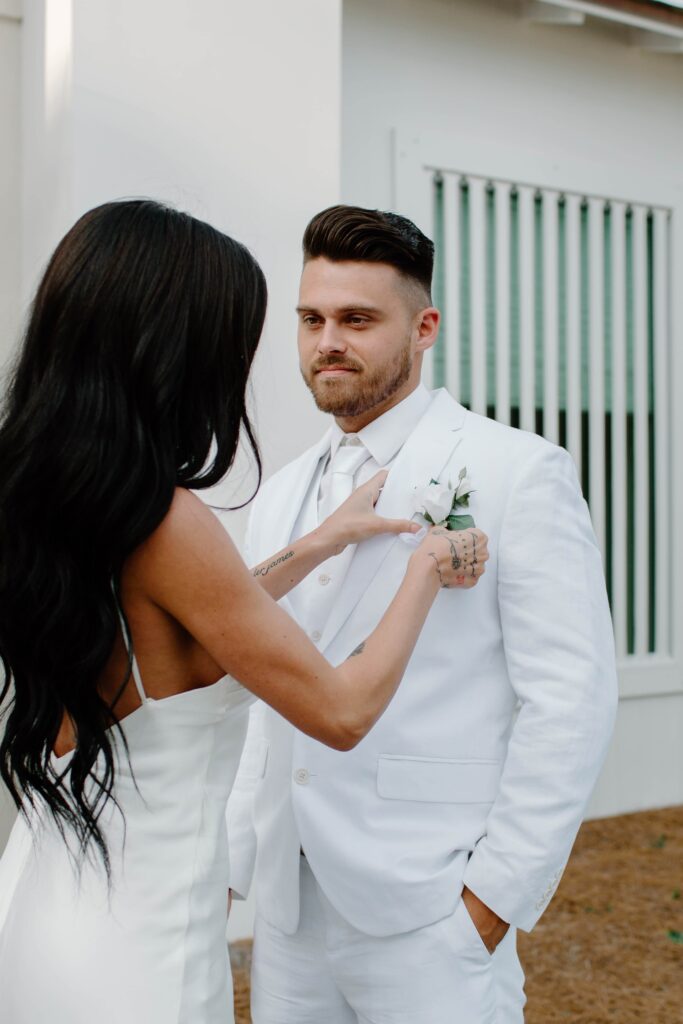
- A first look to ground yourselves before the ceremony
- A quiet moment alone immediately after exchanging vows
- Fewer formal reception events
- Outdoor locations that encourage stillness
- A sunrise or weekday ceremony to avoid pressure
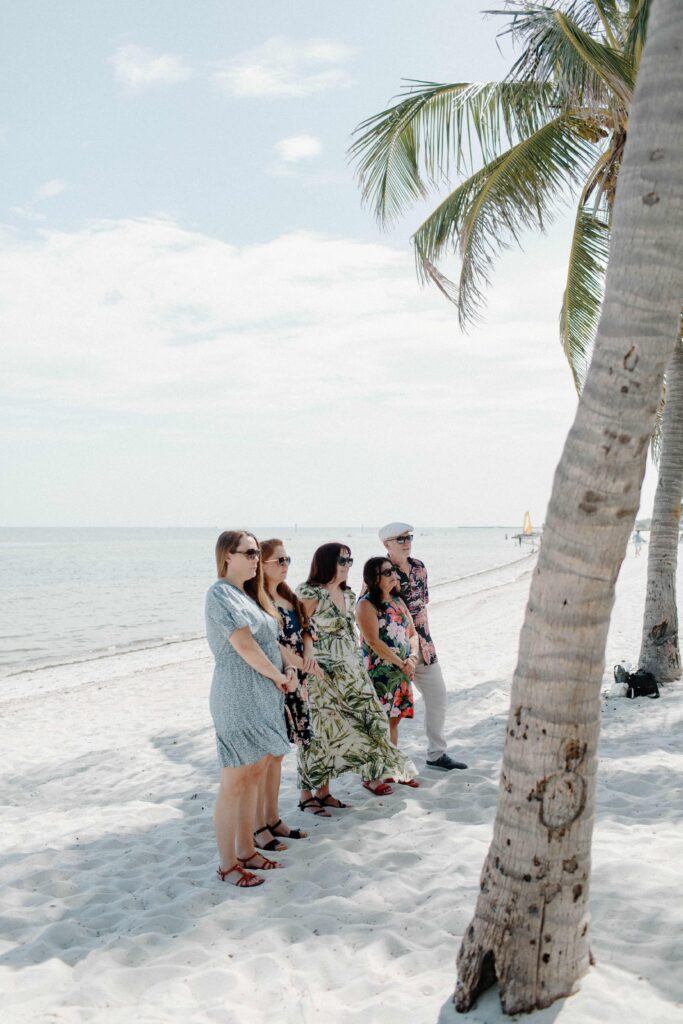
For some couples, an elopement provides the clearest path to that presence. Without production layers, there’s more room for silence, reflection, and connection.
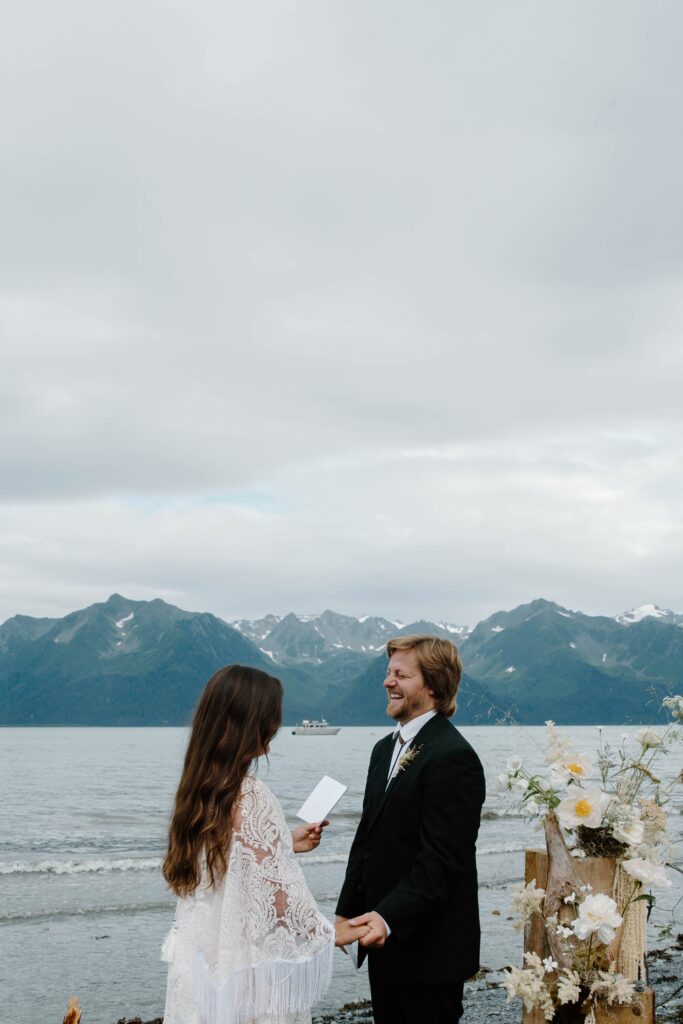
I worked with a couple who chose to exchange vows at sunrise, with only themselves present. Afterward, they sat together on a blanket for nearly twenty minutes just absorbing what had happened, and reading congratulatory letters from family and friends.
It was extremely intentional.


The Bigger Mindset Shift: Celebration vs. Experience
At its core, this isn’t about guest count.
It’s about orientation.
Are you primarily hosting an event?
Or are you designing an experience?
Both can coexist. But clarity matters.
A traditional wedding can be deeply meaningful. An elopement can be equally profound. A hybrid celebration can blend both worlds.
The goal isn’t to avoid one format in favor of another. The goal is to prevent wedding regrets by making aligned decisions early.
When you prioritize:
- Time together
- Emotional safety
- Realistic pacing
- Values-driven planning
The structure of the day becomes secondary.
Planning Thoughtfully for 2026+
If you’re planning for 2026 or beyond, you’re in a powerful position: you have time to design your day intentionally.
That might mean:
- Exploring venues and landscapes that reflect your lifestyle
- Rethinking traditional timelines
- Clarifying your guest count early and discussing what involvement you’d like from family throughout the planning process
- Considering a smaller ceremony with a larger later celebration
- Exploring whether an elopement aligns with your vision and relationship more
Whatever direction you choose, understanding common wedding regrets gives you a roadmap.
You don’t have to learn these lessons after the fact.
If a Big Wedding Still Feels Right, That’s Wonderful
After reading about common wedding regrets, you might feel a little unsure.
Or you might feel completely confident that a large, traditional wedding is exactly what you want.
If that’s you, don’t abandon it just because wedding regrets exist.
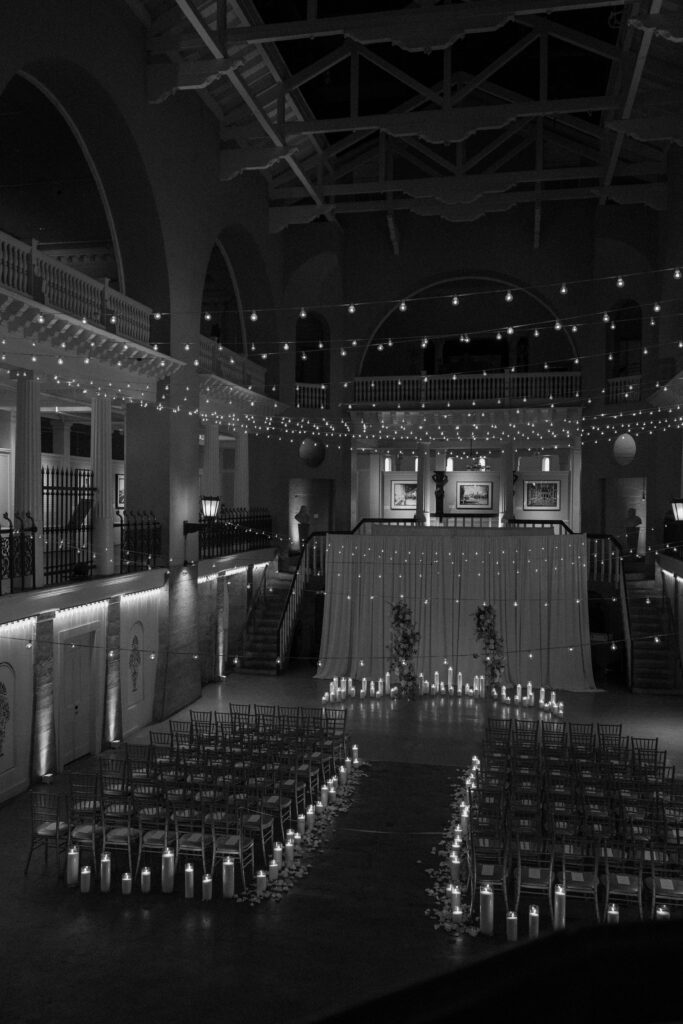
The goal of this conversation isn’t to steer you away from big celebrations. It’s to help you plan them more intentionally.
A large wedding can be:
- Deeply communal
- Rich in tradition
- Emotionally powerful
- A rare moment where all your favorite people are in one place
For many couples, that room full of energy is the whole point.
If that’s your vision, you don’t need to downsize. You just need to design wisely: protect your timeline, build in private moments, and make decisions that feel aligned.
Avoiding wedding regrets isn’t about shrinking your wedding. It’s about being honest about what matters most.
Why Some Couples Choose to Elope — or Elope First, Celebrate Later
At the same time, some couples read about wedding regrets and realize:
“We want something quieter.”
“We want more time together.”
“We don’t want to perform.”
That’s where eloping becomes an option — not as an escape, but as a deliberate choice.
Eloping allows you to:
- Prioritize intimacy and presence
- Design a flexible, experience-driven timeline
- Remove guest pressure from decision-making
- Focus entirely on your partnership
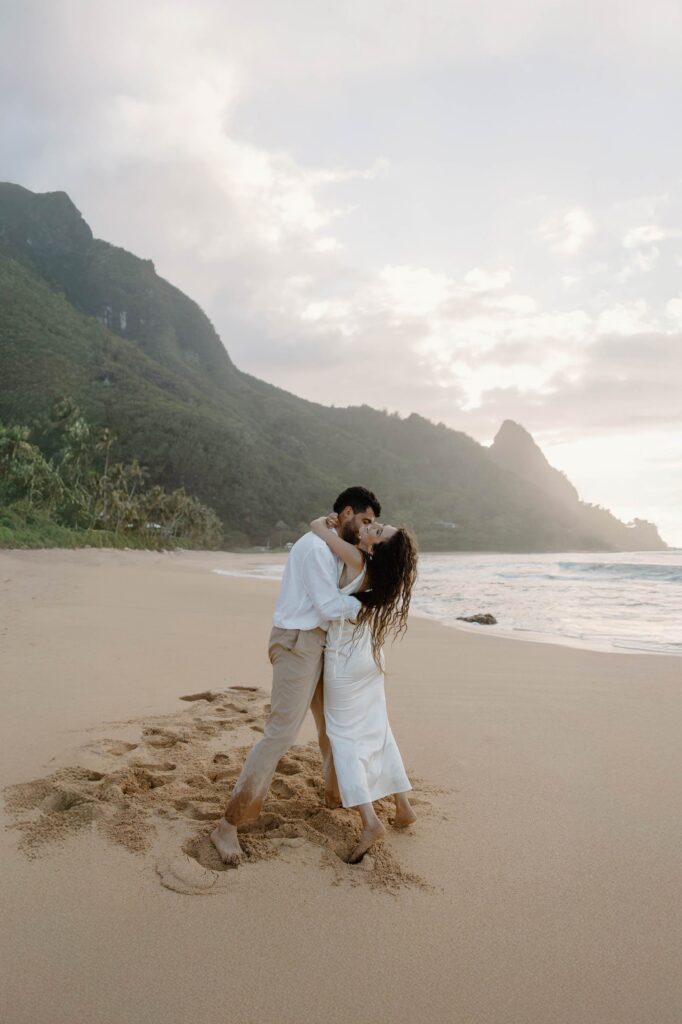
For some, that means a private ceremony in a meaningful landscape.
For others, it means eloping first — exchanging vows intentionally — and then hosting a larger celebration later.
That hybrid approach is becoming increasingly common for couples.
It allows you to:
- Have a deeply personal ceremony
- Protect the emotional core of the day
- Still celebrate with your community
- Reduce timeline pressure on the larger event
Instead of trying to make one day hold everything, you separate the sacred from the social.
There’s no single “right” structure.
But if your primary goal is avoiding wedding regrets — especially around rushing, pressure, or a lack of presence — eloping or eloping first and hosting a party later can offer clarity and breathing room.
Not smaller. Just what works for you and your partner.

Reflecting on What Matters Most Before Wedding Regrets Happen
If part of you is wondering:
- Will we feel present?
- Will we have enough time together?
- Are we making choices that feel like us?
Those questions are worth exploring now — not later.
If you’d like to see how different couples have approached their wedding day — from intimate elopements to thoughtfully designed wedding celebrations — you can read real stories and reflections.
And if you’re planning for 2026+, you’re welcome to inquire and start a conversation about what an intentional, aligned wedding day could look like for you.
No pressure. Just clarity.
Because the goal isn’t to avoid tradition.
It’s to avoid wedding regrets — and to remember your day exactly as it felt.