Chasing Adventure: Your Ultimate Guide to Eloping in Patagonia
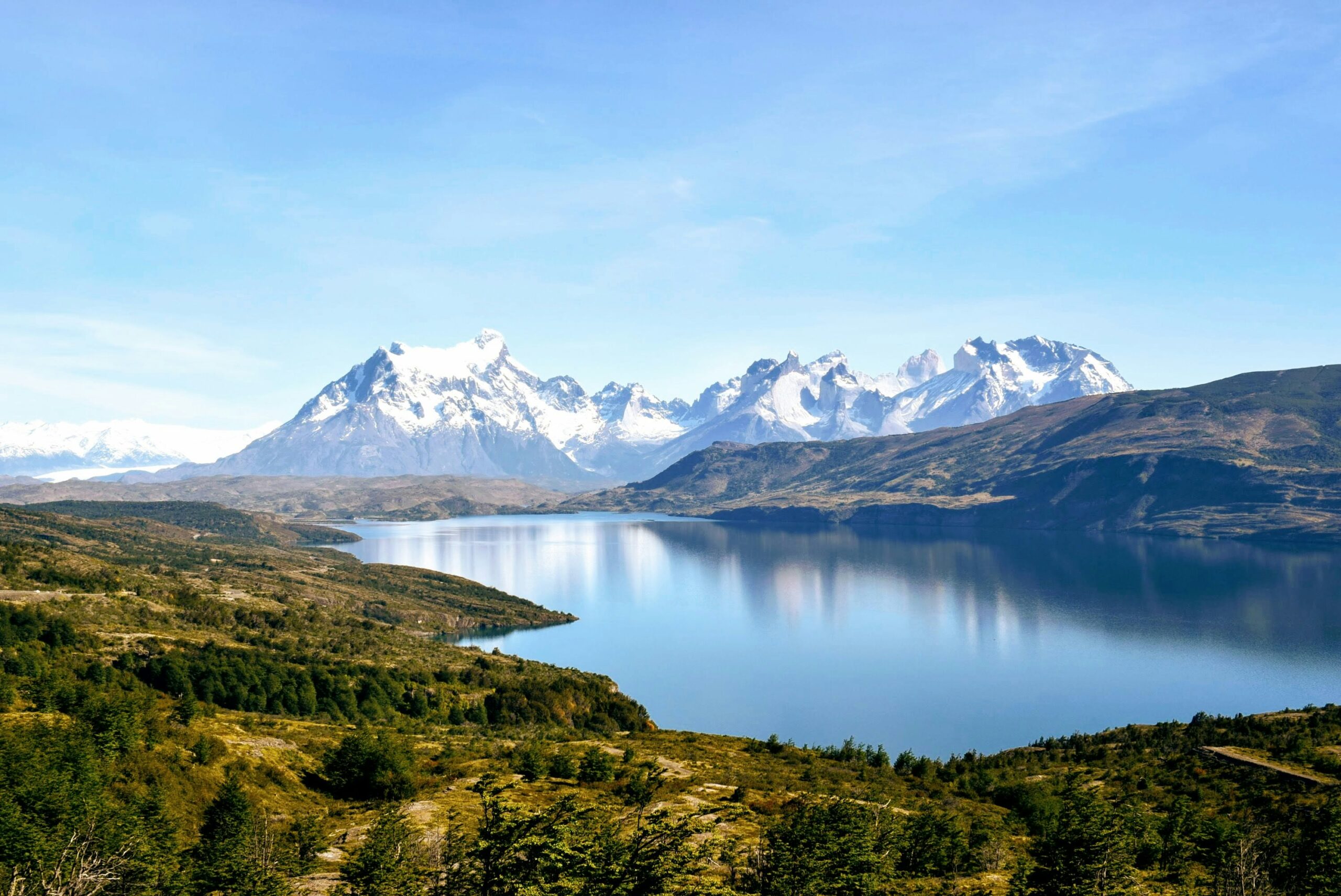
Discover the best seasons, locations, travel tips, and permits to plan your dream Patagonia elopement in Chile or Argentina.
Planning Your Patagonia Elopement
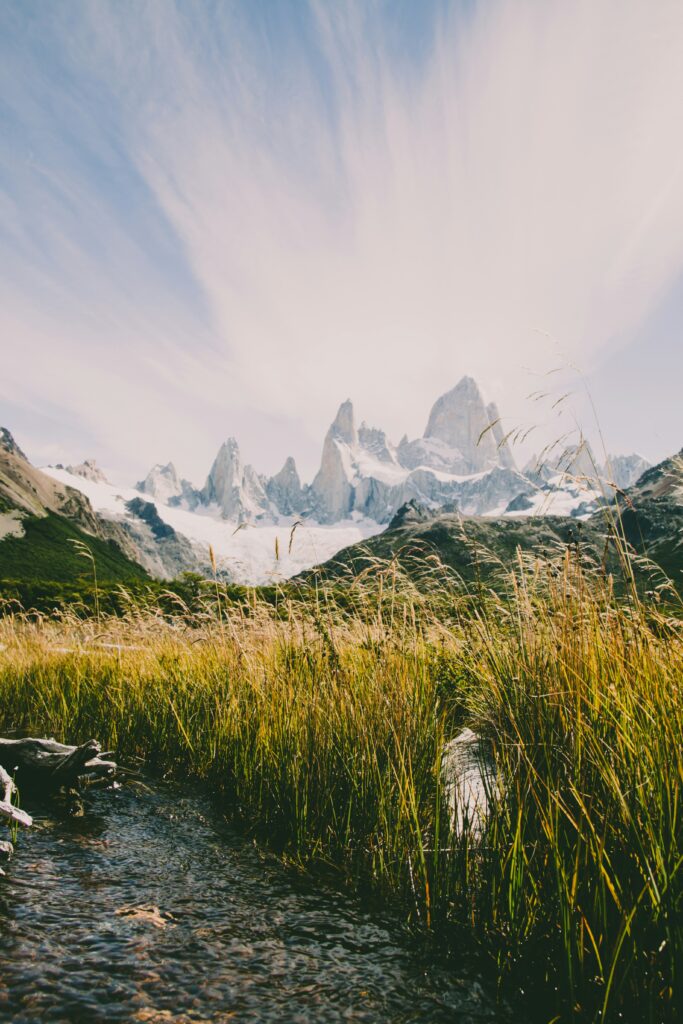
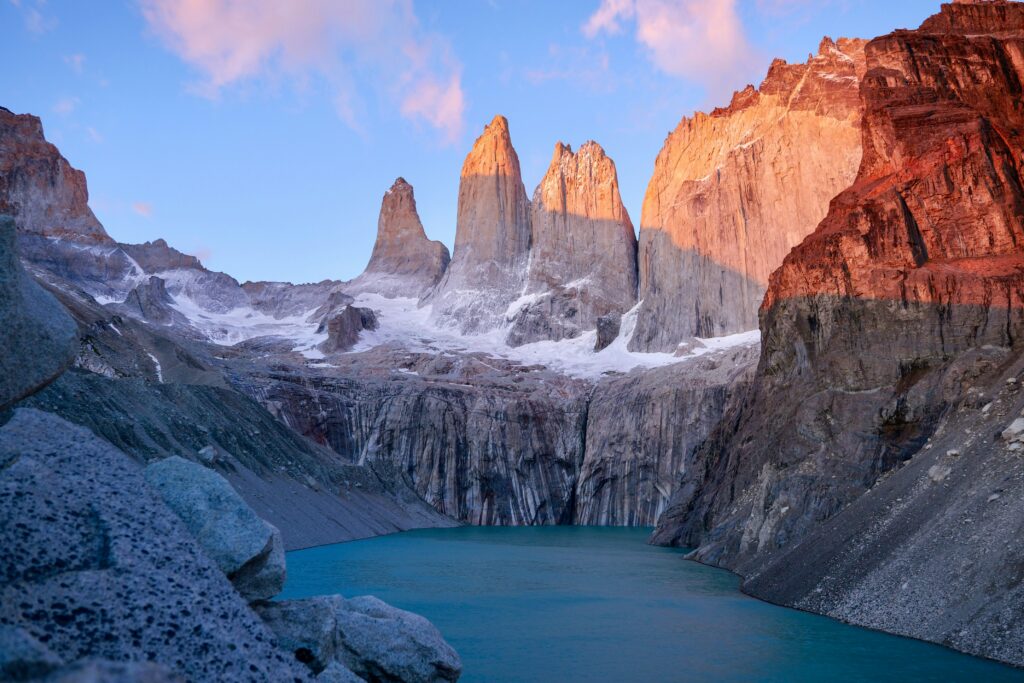
Elope in Patagonia, and you’re choosing more than a destination—you’re choosing an experience that’s breathtaking, adventurous, and completely unforgettable. This remote region, spanning southern Chile and Argentina, offers dramatic landscapes, from jagged peaks and turquoise lakes to windswept glaciers and golden grasslands. Whether you envision a private ceremony beneath iconic Torres del Paine or an intimate exchange on Argentina’s Lake Argentino, eloping in Patagonia allows couples to create a day that’s entirely about them—away from crowds, stress, and the ordinary.
Below, you’ll find a detailed guide to planning your Patagonia elopement, from choosing the right side of the border to understanding permits and travel logistics.
Index
- Chile vs Argentina: Choosing Your Patagonia Elopement Location
- Best Seasons to Elope in Patagonia: Weather, Light, and Accessibility
- Permits, Regulations, and Local Requirements
- Travel Logistics: Flights, Transportation, and Accommodations
- Adventure Planning: Hiking, Photography, and Experiences
- Tips for a Seamless Patagonia Elopement
- Get Your Custom Patagonia Elopement Plan
1. Chile vs Argentina: Choosing Your Patagonia Elopement Location
When you elope in Patagonia, one of the first decisions you’ll make is which side of the border to explore.
Chile:
- Chilean Patagonia is home to Torres del Paine National Park, with iconic granite spires, turquoise lakes, and abundant wildlife.
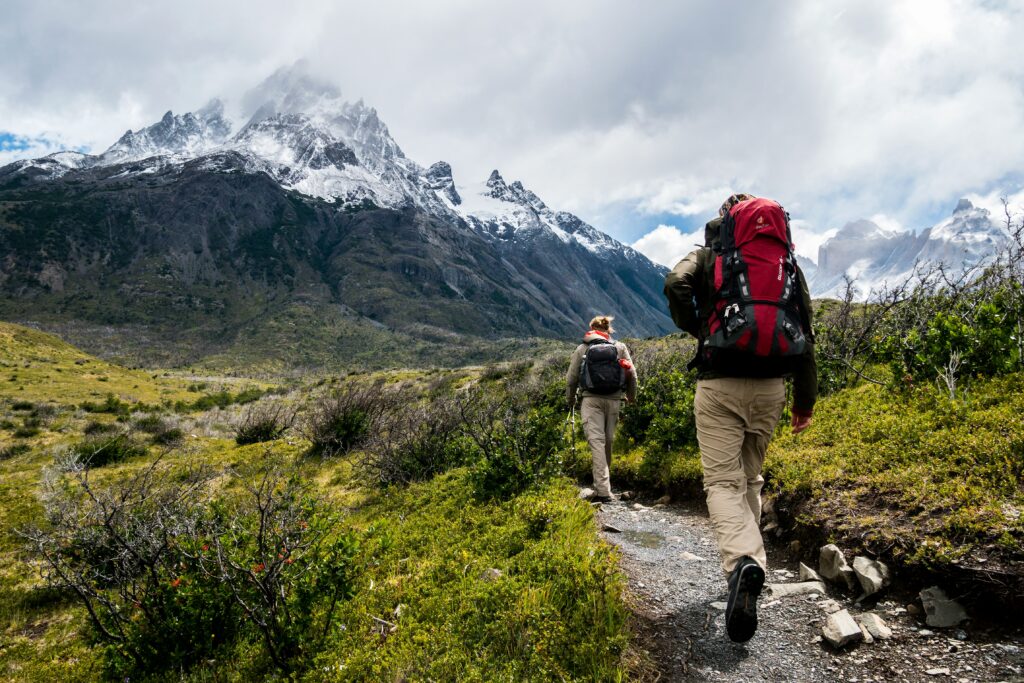
- Hiking routes like the W Trek or day treks offer incredible backdrops for intimate ceremonies.
- Accessibility is often via Punta Arenas or Puerto Natales airports.
Argentina:
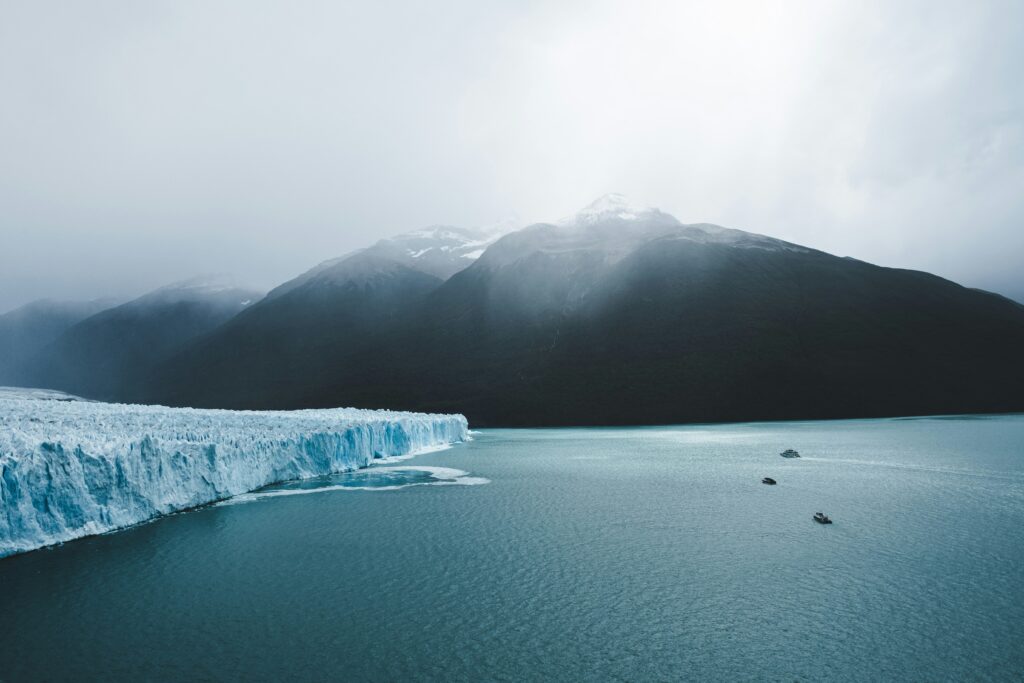
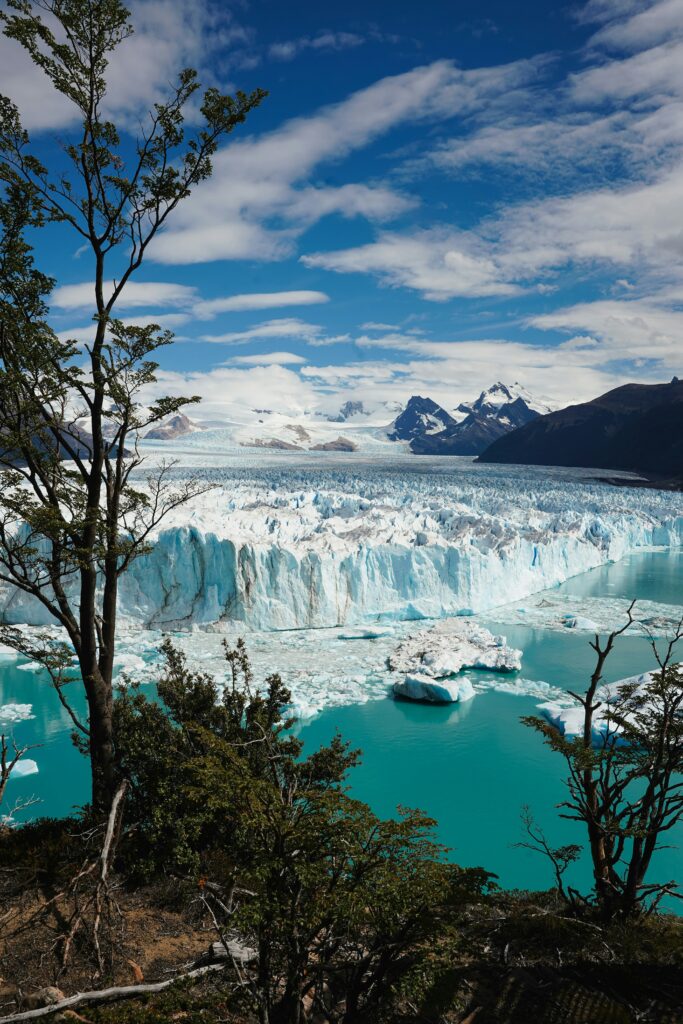
- Argentine Patagonia is known for glaciers, including the famous Perito Moreno Glacier, and vast open steppe landscapes.
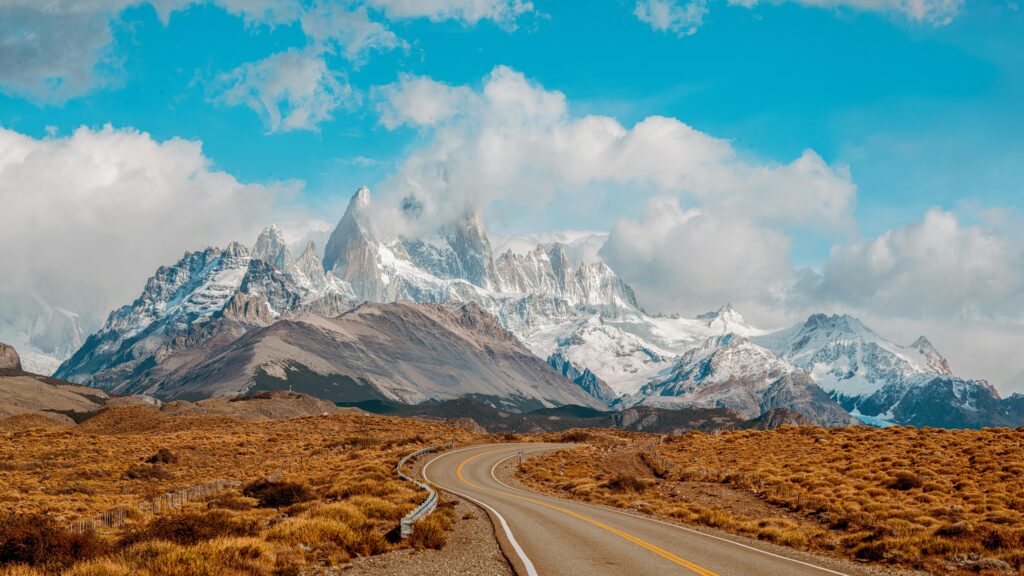
- The region around El Calafate and El Chaltén offers opportunities for remote lakeside or mountain-top elopements.
- Argentina’s side can feel slightly more rugged and secluded—perfect for couples seeking total privacy.
Many couples choose to combine both countries if their itinerary allows, creating a Patagonia elopement that includes diverse landscapes.
For more on Torres del Paine permits and regulations, visit Torres del Paine National Park Official Site.
2. Best Seasons to Elope in Patagonia: Weather, Light, and Accessibility
Patagonia’s weather is famously unpredictable, so timing your elopement is key.
- Spring (September–November): Wildflowers bloom, waterfalls are full, and crowds are minimal.
- Summer (December–February): Long daylight hours and relatively stable weather make this the most popular season—but also the busiest.
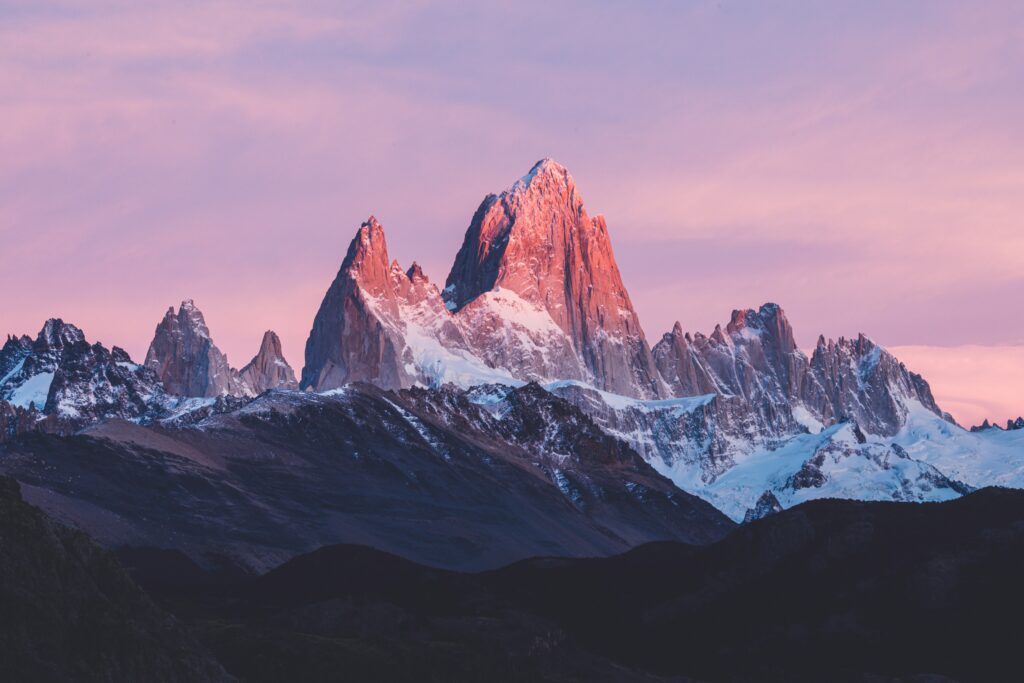
- Autumn (March–May): Golden tones, fewer tourists, and dramatic skies create romantic photo opportunities.
- Winter (June–August): Snow-capped mountains dominate the landscape, ideal for adventurous couples comfortable with extreme weather.
Many elopement photographers and planners recommend December through February for the best combination of light, accessibility, and adventure options, especially for 2026+ bookings.
3. Permits, Regulations, and Local Requirements
Understanding permits is crucial when you elope in Patagonia. Both Chile and Argentina require permissions for ceremonies in national parks.
- Chile: Most parks require a permit for weddings and photography, often with advance application. Torres del Paine requires applications several months in advance.
- Argentina: Permits vary depending on location—Perito Moreno Glacier and Los Glaciares National Park have clear guidelines for small ceremonies.
Your planner or photographer can handle much of the paperwork for you or provide the resources you need to complete it, ensuring your day goes smoothly without bureaucratic stress.
4. Travel Logistics: Flights, Transportation, and Accommodations
Traveling to Patagonia requires careful planning due to its remote nature.
Flights:
- Chile: Punta Arenas (PUQ) and Puerto Natales (PNT) are common entry points.
- Argentina: El Calafate (FTE) is the main hub for southern Patagonia.
Transportation:
- Renting a 4×4 vehicle is recommended for flexibility in remote areas.
- Guided transfers or private transport options are also available.
Accommodations:
- Luxury lodges, eco-friendly cabins, and boutique hotels exist near both Chilean and Argentine attractions.
- Booking 2026+ dates early is essential to secure peak-season availability.
5. Adventure Planning: Hiking, Photography, and Experiences
Eloping in Patagonia is about more than the ceremony—it’s about crafting a complete adventure experience.
- Hiking: From day treks to multi-day excursions, Patagonia’s trails are bucket-list worthy.
- Photography: Dramatic landscapes provide cinematic backdrops. A skilled elopement photographer can capture your day on both film and digital formats.
- Activities: Glacier tours, boat rides, horseback adventures, and local cultural experiences can be incorporated.
Plan your adventure around your ceremony timing to maximize light for photos and avoid weather disruptions.
6. Tips for a Seamless Patagonia Elopement
- Pack for unpredictability: Layers, waterproof gear, and sturdy footwear are essential.
- Consider backup dates/locations: Weather can change quickly, so flexibility ensures your day remains magical.
- Legal vs symbolic ceremonies: Many couples combine a legally recognized ceremony in a city with a symbolic ceremony in the wild.
7. Get a Custom Patagonia Elopement Plan
Eloping in Patagonia is a once-in-a-lifetime experience—and every couple deserves a plan as unique as their love story. From selecting the perfect Chilean peak or Argentine glacier to handling permits, travel logistics, and photography, we’ll create a fully customized adventure elopement designed just for you.
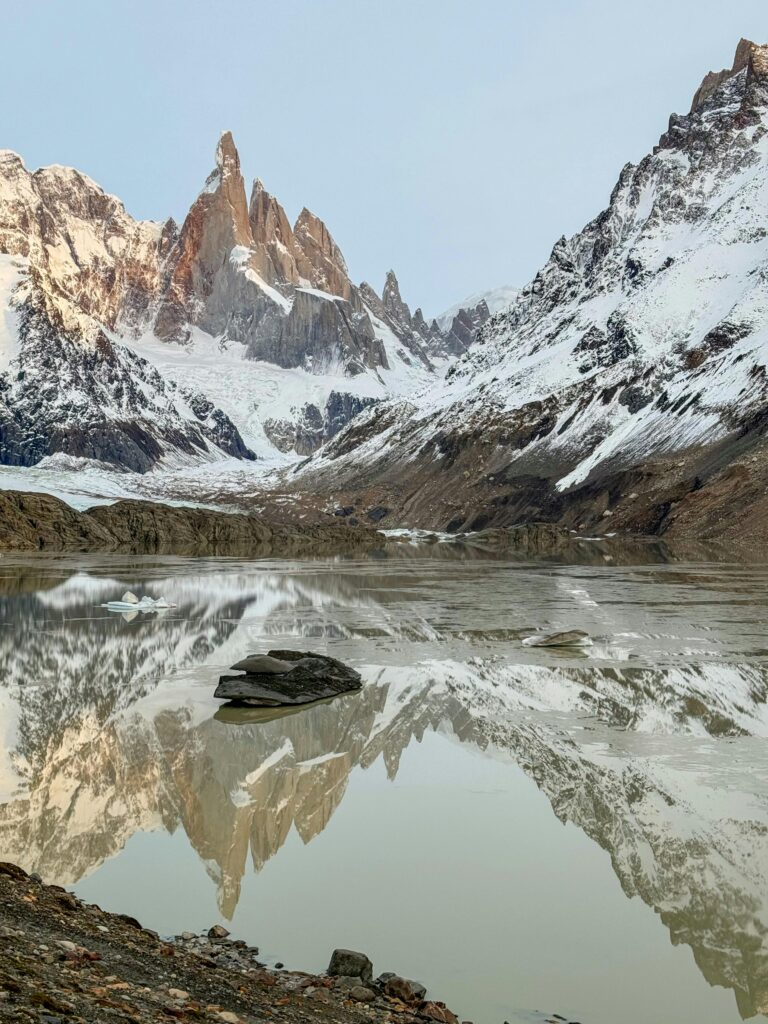
Please note that the images in this post are not mine; however, I have permission to use them for the informational purposes of this blog.